A homeowner’s guide to planning a conservatory or orangery in Gloucester & the Cotswolds
Practical, step-by-step advice for designing and budgeting a conservatory or orangery locally — covering roof and glazing choices, planning and building considerations, common pitfalls, and how to work with a local installer in Gloucester and the surrounding Cotswolds.

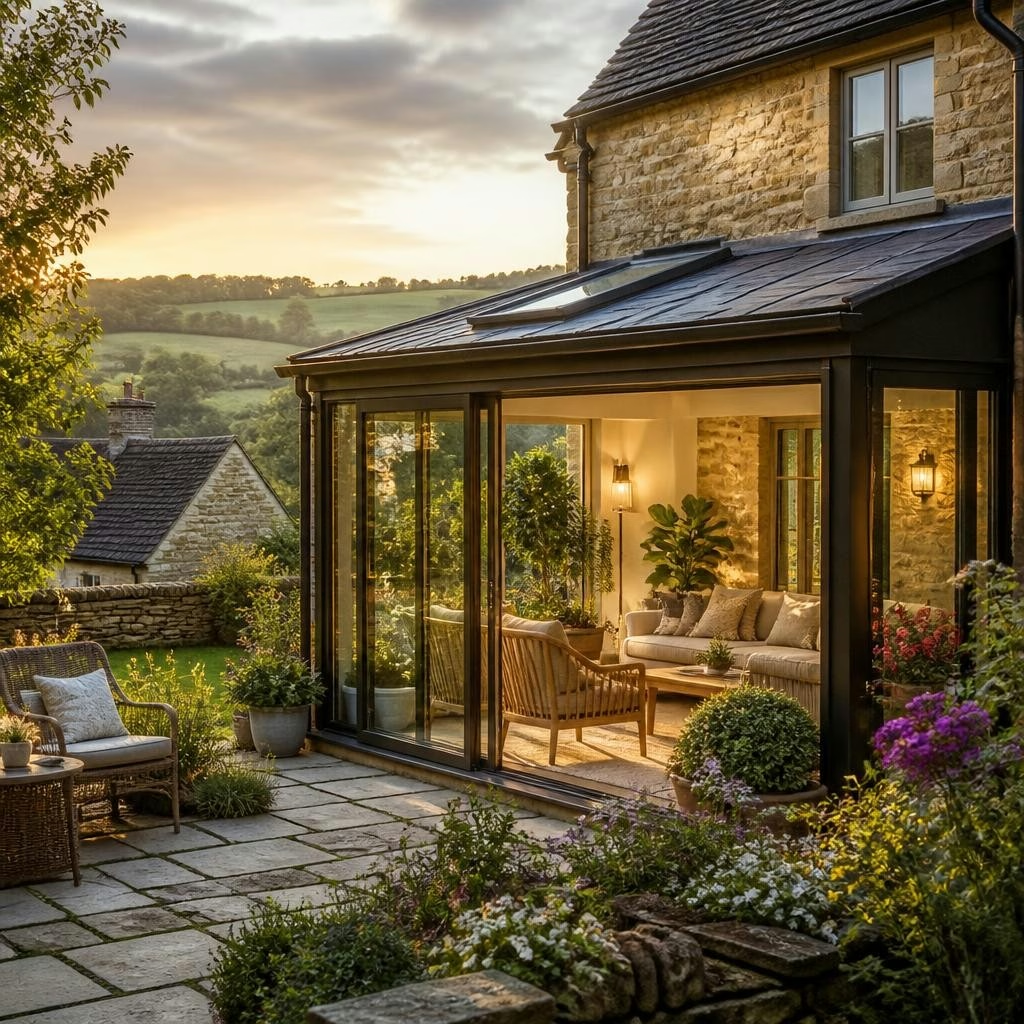
Why add a conservatory or orangery?
A conservatory or orangery is one of the most effective ways to add bright, usable living space without a full extension. Orangeries tend to feel more like a traditional room with a solid insulated roof and higher brickwork, while conservatories maximise glazing for light. Both can modernise a home, improve comfort and — with the right glazing and insulation — reduce draughts, condensation and cold spots.
Start with clear goals
Before you get any quotes, decide how you’ll use the space. Will it be a year-round dining room, a warm garden room, or a seasonal sun lounge? Your intended use affects the roof type, the level of insulation, the glazing, heating and ventilation choices. Also check the basics early: whether your property is listed, whether there are conservation area restrictions, and if the build will need planning permission or building regulations approval — your local planning department can confirm this.
Choosing the right roof: warm roof, roof lantern or glazed
Roof choice is one of the biggest decisions. A warm roof (insulated, solid structure) makes a conservatory feel and perform like a proper room all year round. Roof lanterns and large glazed panels bring dramatic natural light and suit orangeries when you want a focal feature. Velux-style skylights can be a good compromise for extra daylight. Each option changes the thermal performance and the look, so weigh daylight versus insulation when you decide.
Glazing, insulation and ventilation
Pick high-performance double or triple glazing and make sure frames are thermally efficient — those choices reduce heat loss and the risk of condensation and mould. Reviews from local homeowners often mention that new windows and roofs noticeably improved warmth and reduced condensation, so it’s worth investing in good glazing. Also plan ventilation: trickle vents, opening panels and proper heating all help avoid stale air and moisture build-up.
Design details that matter
Think about doors (bifold or patio doors for wide openings), integrated blinds for glare control, and how the join between the new structure and the existing house will be finished. Consider the flooring, drainage and external cladding or fascias so the finished space blends with the rest of the home. Small choices — such as quality locking systems, neat flashings, and good finishing around windows and doors — make a big visual and practical difference.
Budgeting and practical timeline
Costs depend on size, roof type, glazing specification and finishes. Instead of relying on a single figure, get detailed quotes that separate products, labour and any groundwork. If finance is something you may need, look for installers who offer finance options. Expect a process that includes an initial survey and design, a measured quote, an order and lead time for manufacturing, followed by on-site installation — communication about timing is key to avoid surprises.
Common pitfalls and how to avoid them
Avoid under-insulating the roof, choosing low-grade glazing, or allowing poor detailing where the new structure meets your house — these are common sources of heat loss and water problems. Watch out for high-pressure sales; many homeowners value installers who give clear advice without a hard sell. In fact, one local customer who upgraded an older conservatory praised the installers for regular progress updates, clear communication and a tidy, professional finish — good communication and attention to detail are reliable indicators of a job that will stand the test of time.
How to choose a local installer and next steps
Look for installers who are FENSA-registered or otherwise certified, provide clear written quotes, and can show examples of finished conservatories and orangeries nearby. For homeowners in Gloucester and the Cotswolds, working with a local, family-run team can make scheduling and follow-up easier. When you’re ready, prepare a short brief (intended use, rough size, must-have features) and book a free, no-obligation survey so you can compare realistic proposals and timelines. Bring a list of questions about roof build-up, glazing spec, ventilation and aftercare to get the clearest picture before you decide.
Customer review


Article by
Severnview Home Improvements
We are a family-run, FENSA-registered window and home improvement company based in Gloucester, supplying and installing high-quality double-glazed uPVC, aluminium, and timber windows and doors across the surrounding areas, including the Cotswolds, Cirencester, Tewkesbury, Worcester, Swindon, Stroud, Hereford, and Cheltenham. Services include bespoke conservatories, orangeries, garden rooms, warm roofs, roof lanterns, Velux, composite doors, balustrades, fascia, soffit, and guttering, cladding, windows, patios and Bifold. We specialize in professional installations for residential properties, delivering durable, energy-efficient solutions tailored to each project. Finance available Book your free, no-obligation quote today.