Garden rooms vs Conservatories vs Orangeries: Which suits Gloucestershire homes best?
A practical guide for homeowners around Gloucester, Stroud and the Cotswolds comparing garden rooms, conservatories and orangeries—covering year‑round use, insulation, light and local planning considerations to help you choose the right fit.

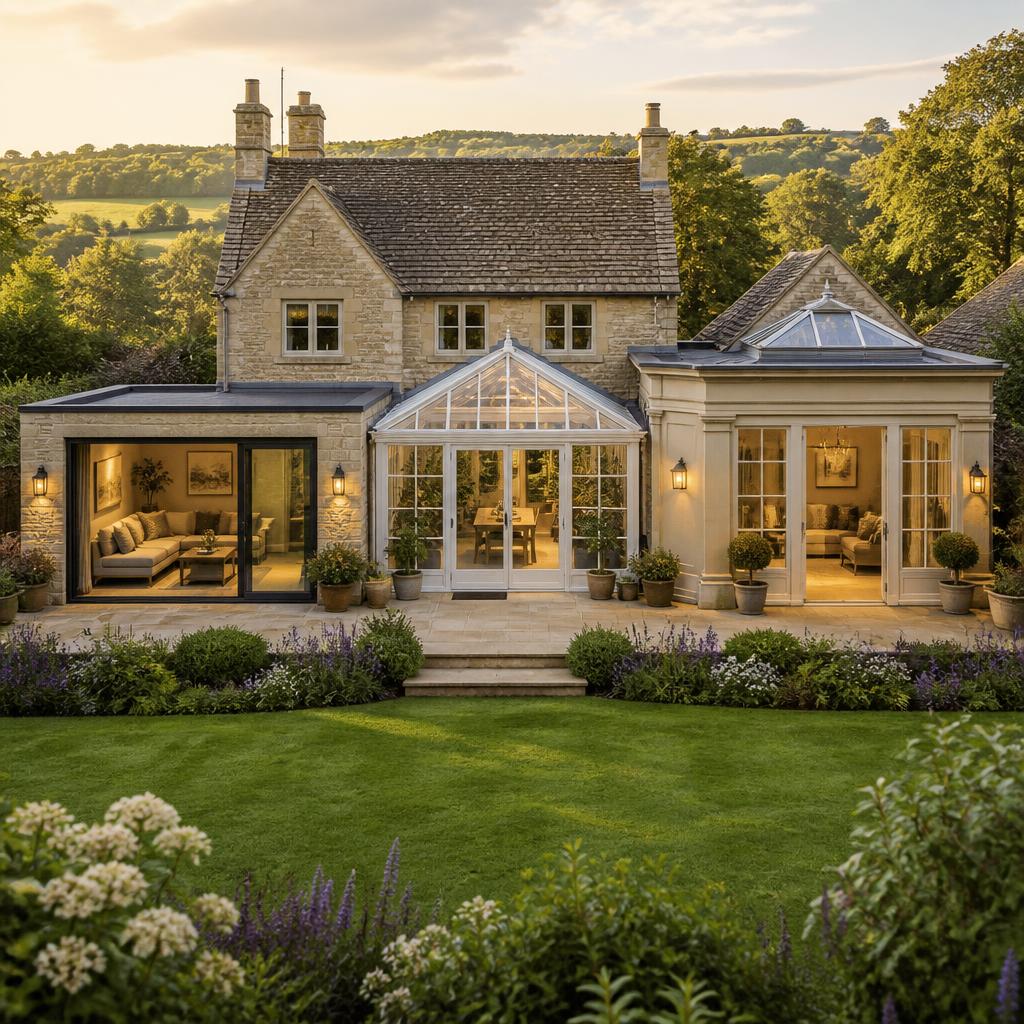
Why this choice matters for Gloucestershire properties
If you live in Gloucester, the Cotswolds or nearby towns like Stroud and Cheltenham, a glazed or solid garden addition can change how you use your home. The difference between a conservatory, an orangery and a garden room affects comfort through the seasons, how much light you get, and whether you need building or planning permission. This guide explains the practical trade‑offs so you can match the build to your plot, views and lifestyle.
Conservatory: maximum light and strong garden connection
A traditional conservatory uses extensive glazing—often full glass walls and a substantial glazed roof—to maximise daylight and garden views. That makes it great for enjoying long sightlines across a typical Cotswolds garden or bringing sun into tighter urban plots in Gloucester. The trade‑off is that classic conservatories can be colder in winter and hotter in summer unless you upgrade the roof and glazing. Modern options (like tougher double or triple glazing, roof lanterns and improved seals) can significantly improve year‑round comfort.
Orangery: a middle ground for style and insulation
Orangeries sit between conservatories and solid extensions. They typically have more brick or masonry around the base and a prominent roof lantern or smaller glazed panels above. That structure makes them inherently better insulated than a full‑glass conservatory while still delivering generous natural light and a refined appearance that suits period Gloucestershire houses. If you want the look of a high‑end addition with improved thermal performance, an orangery is a strong option—especially where street presence or matching local architectural character matters.
Garden room: insulation and year‑round usability
A garden room (or insulated garden building) is built more like a conventional extension: solid insulated walls, a well‑insulated roof and targeted glazing. The result is a space that behaves like an internal room all year—ideal for home offices, gyms, or snug living spaces where heat retention, acoustic separation and low running costs are priorities. For homeowners who want a comfortable, low‑maintenance extension that doesn’t feel like a summertime conservatory, a garden room is often the best fit.
Insulation, glazing and practical upgrades
Key to year‑round comfort are the choices you make: high‑quality double or triple glazing, a warm roof for conservatories, insulated frames and correctly detailed foundations. Severnview installs uPVC, aluminium and timber windows and doors and offers warm roofs, roof lanterns and Velux options—features that help turn a light‑filled conservatory into a genuinely usable living space. Reviews from local customers consistently mention reduced condensation and a transformed, more comfortable home after these upgrades.
Light, views and privacy: design choices that matter
Think about how you use light and views: if you want panoramic garden views and lots of daytime sun, larger glazed areas and roof lanterns help. If privacy, glare control or wall‑space for furniture matters, an orangery or garden room with strategic glazing is better. Velux or roof lanterns are great for bringing daylight into deeper rooms without sacrificing wall space. Local scenes—rolling Cotswold fields or tighter town gardens in Gloucester—will influence whether you prioritise uninterrupted glazing or a cosier, more private design.
Planning, site and practical considerations in the area
Whether you require planning permission depends on size, roof type and your property status (for example, listed buildings have extra constraints). Party wall agreements, access for builders, drainage and where foundations sit relative to boundaries all matter for Gloucestershire plots. As a FENSA‑registered, family‑run supplier and installer, Severnview can advise on practical build choices and technical options; they’ve helped local customers through design and installation from initial concept to completion.
Which one to pick — quick recommendations and next steps
If you want maximum daylight and a strong garden connection: consider a conservatory, upgraded with a warm roof or quality glazing for year‑round use. If you want a stylish, better‑insulated extension that suits traditional homes: an orangery is a good middle way. If you need an everyday living space with good insulation and low running costs: a garden room will usually be the most practical. Many local customers have said projects exceeded expectations and noticeably transformed their homes after working with a trusted installer. For a clear next step, arrange a no‑obligation site visit so design, insulation and planning needs can be assessed with your plot and views in mind.
Customer review


Article by
Severnview Home Improvements
We are a family-run, FENSA-registered window and home improvement company based in Gloucester, supplying and installing high-quality double-glazed uPVC, aluminium, and timber windows and doors across the surrounding areas, including the Cotswolds, Cirencester, Tewkesbury, Worcester, Swindon, Stroud, Hereford, and Cheltenham. Services include bespoke conservatories, orangeries, garden rooms, warm roofs, roof lanterns, Velux, composite doors, balustrades, fascia, soffit, and guttering, cladding, windows, patios and Bifold. We specialize in professional installations for residential properties, delivering durable, energy-efficient solutions tailored to each project. Finance available Book your free, no-obligation quote today.